
Inside the interview with blackjack professional
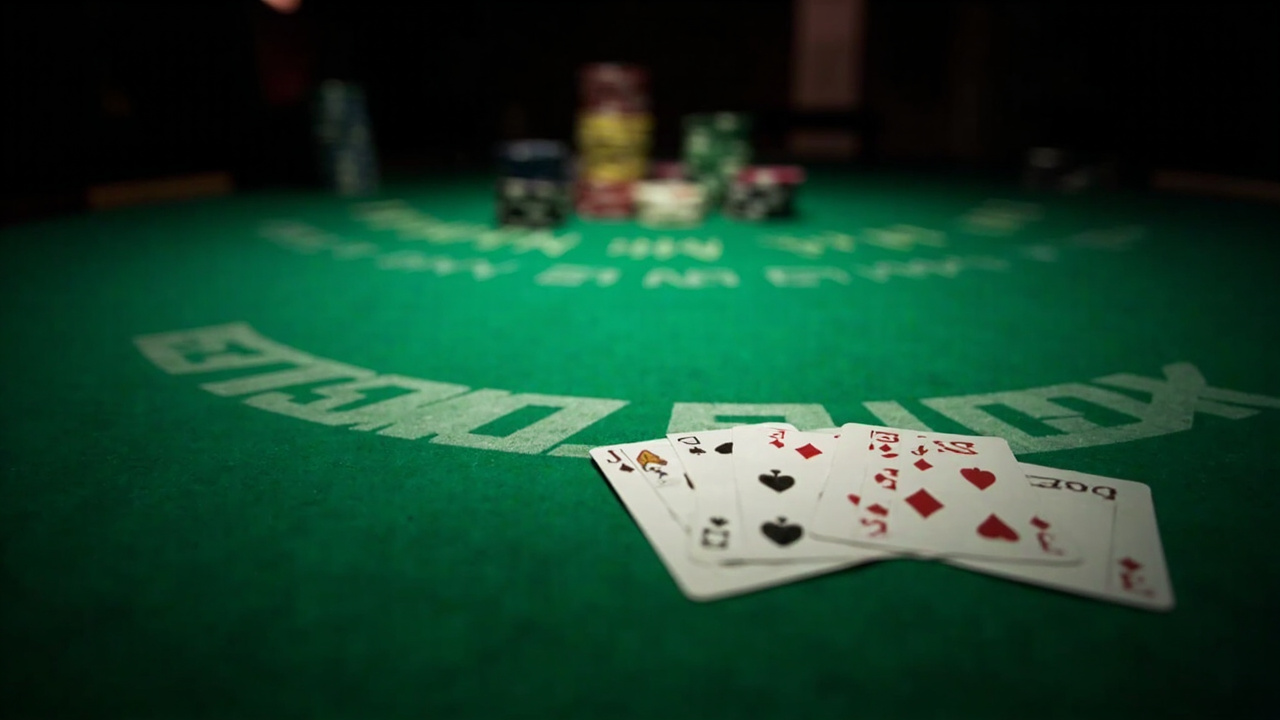
The afternoon sun was dropping over Corio Bay when I met the man behind the felt, and his stories about the floor were sharper than the cards in his hand. He reckons most punters walk in thinking luck is a strategy, but the real game is about discipline and reading the room. That sort of practical wisdom matters when you are weighing up where to put your hard-earned cash, especially when the cost-of-living pinch is tight and every dollar counts toward the next payday. We spent an hour talking about pace, patience, and the difference between a casual flutter and a calculated session, and the takeaway was clear: know the rules before you put your chips down.
What the floor actually teaches you
The professional explained that a good session starts before the first card is dealt, and that mindset is something you can carry over to other games if you choose to explore them. He pointed out that understanding the mechanics of a table game helps you spot when a digital version is cutting corners on fairness or payout clarity. If you want to compare timing against notes on Geelong gambling forums, where slow transfers get flagged fast, you will see the same transparency issues pop up across different platforms. The lesson is simple: if the rules are vague, the edge is usually not on your side, and you should walk away before the arvo gets away from you.
Reading the room before you play
The pace of the table
He described the rhythm of a busy Saturday night, where dealers work as fast as they can without rushing the play. That pace matters because it forces you to make decisions quickly, and if you are not comfortable with that pressure, you will make mistakes that cost you. He said a smart player knows when to slow things down, and that same principle applies when you are checking your account settings or reviewing a bonus term. If a platform pushes you to deposit before you have read the fine print, that is a sign to step back and take a breath.
The math behind the shuffle
The conversation turned to basic strategy, and he stressed that the numbers do not lie even when the mood of the room does. He gave me a quick rundown of when to hit and when to stand, and the point was that knowledge reduces the house edge more than any hunch ever could. He mentioned that players who treat the game like a puzzle tend to last longer, and that is a fair go in a world where the odds are stacked against you from the start. The takeaway is that education is your best defence, and it costs nothing to learn the basics before you commit any funds.
When to walk away
The most important advice came when we talked about stopping, and he said the hardest skill is knowing when the session is done. He described a player who chases a loss and ends up giving back everything they won in the first hour, and that is a pattern you see too often on any platform. He reckons a clear limit before you start is the only way to keep the fun in the game, and that is a principle that holds up whether you are at a physical table or clicking through a screen.
Does this advice fit your play style
The professional’s perspective is useful if you are the sort of player who wants control over your session rather than just a quick thrill. If you like to plan your spend around a fortnightly pay cycle and you want to keep your gambling separate from your everyday bills, his approach is worth taking on board. It is not for everyone, and if you prefer a more relaxed flutter without thinking too hard about the numbers, this level of detail might feel like overkill. The key is to match the advice to your own habits, and if you are not sure, start small and see how you handle the pressure before you commit any serious money.

Final thoughts on playing smart
The conversation left me with a clear view that skill and discipline matter more than any bonus or promotion when you are sitting at a table. If you want to test your own luck on a different game after all that thinking, you can always win cash on where’s the gold online pokies real money when you are ready to switch gears. Just remember that no session is guaranteed, and the best move is always the one that keeps you in control of your own limits.